
 nemoihk@gmail.com

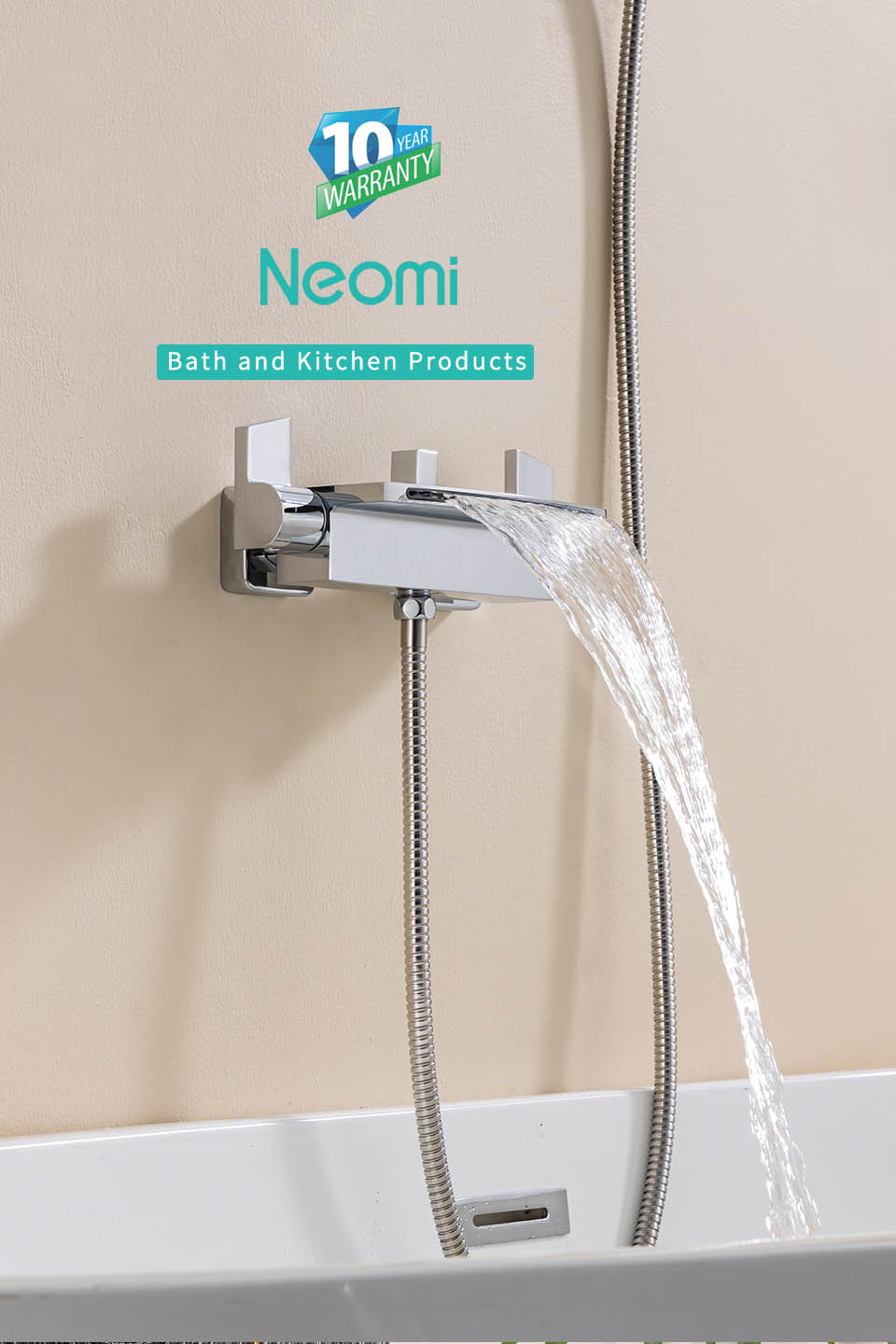
Key points for selecting Faucet materials
2025-06-23 09:07:04
Click:
Key points for selecting Faucet materials
Identification of the quality of all-copper materials
All-copper faucets are a high-end choice due to their excellent antibacterial properties and strong corrosion resistance. When making a purchase, it is necessary to confirm the purity of the copper material (usually H59 or H62 copper is the main type), and check whether the inner wall is smooth and free of impurities (inferior copper materials may contain excessive lead). You can gently tap the faucet body with your hand. The sound should be deep and solid without any hollow feeling. Also, touch the surface electroplating layer to see if it is uniform and free of bubbles. If it is labeled as 'lead-free copper', it is necessary to check the test report to confirm that the lead leaching amount meets the national standard (such as ≤5μg/L).
The applicability of stainless steel materials
304 stainless steel faucets are resistant to acids and alkalis, scratch-resistant, and suitable for humid environments. When making a purchase, it is necessary to confirm the material grade (such as SUS304) and check whether the surface treatment is brushed or mirror finish (to avoid easy peeling of the spray paint). You can try testing with a magnet. If the adsorption force is weak, it is genuine stainless steel (with a high nickel content). It should be noted that stainless steel faucets are usually light in weight. If they are too heavy, they may be mixed with other metals.
A guide to avoiding pitfalls made of zinc alloy
Zinc alloy faucets are inexpensive but prone to corrosion, and their lifespan is usually less than three years. When making a purchase, avoid choosing overly light styles (zinc alloy has a low density), and tap them gently to check if the sound is hollow. If the surface electroplating layer is too thin (such as less than 5 microns), rust spots or peeling may occur in a short period of time. It is recommended to use it only for temporary or low-frequency scenarios and avoid long-term exposure to moisture.
Practicality assessment of plastic materials
Engineering plastic (such as ABS) faucets are lightweight and impact-resistant, making them suitable for outdoor or temporary places. When making a purchase, it is necessary to confirm whether the material is food grade (such as NSF certified) and check whether the joints are sealed without leakage. It should be noted that plastic faucets have poor heat resistance (usually not exceeding 60℃), and may age and become brittle after long-term use. They are not suitable for high-temperature or high-pressure environments.
Inspection of surface treatment processes
The anti-rust performance of a faucet is directly related to its surface treatment. The electroplating layer should meet the thickness standard (for example, the nickel-chromium layer of copper substrate electroplating should be ≥8 microns). You can touch it with your hand to check if it is smooth and free of particles, and wipe it with a dry cloth to observe if it is easy to leave marks. For spray-painted styles, it is necessary to ensure that the paint surface has strong adhesion (such as reaching level 3 or above in the 100-grid test) to prevent the base material from being exposed and rusting after peeling.
The matching of materials with usage scenarios
For kitchen faucets that come into contact with grease and high temperatures, it is recommended to choose all-copper or stainless steel materials. The faucet of the bathroom washbasin is damp and needs to be aesthetically pleasing. A full-copper style with a thick electroplated layer can be selected. If you need to save costs for the faucet of the balcony or laundry sink, you can choose engineering plastic, but you need to confirm its weather resistance. Avoid using zinc alloy materials in environments with strong acidity or alkalinity, such as near swimming pools.
Inspection of environmental protection and safety certifications
When making a purchase, it is necessary to confirm that the faucet has passed the drinking water safety certification (such as the national standard GB18145 or the international NSF/ANSI 372), and check the test report on the leaching of heavy metals such as lead and cadmium. In some areas, faucets are required to indicate the material composition (such as copper content, lead content). Please read the product instructions carefully or ask the merchant. For places used by children or pregnant women, it is recommended to give priority to lead-free copper or high-grade stainless steel.
Through the above key points, suitable materials can be selected according to different usage needs to avoid rust, leakage or health risks caused by improper material selection. When making a purchase, it is necessary to comprehensively consider durability, safety and maintenance costs, rather than merely judging based on weight or appearance.
Author:
TUNG TAT BUILDING MATERIALS LIMITED
0
Related news
-

花灑式出水水龍頭選購技巧
花灑式出水水龍頭選購技巧
-
不銹鋼水龍頭選購指南
鍍鉻水龍頭選購方法
-
Selection methods for under-sink faucets
Selection methods for under-sink faucetsConfirm the matching of the installation
-
Methods for choosing bathroom faucets
Methods for choosing bathroom faucets
-
Tips for choosing faucet pipe diameters
Tips for choosing faucet pipe diameters
-
Selection of faucets suitable for 4-inch water pipes
Selection methods for faucets compatible with 4-inch pipes


