
 nemoihk@gmail.com

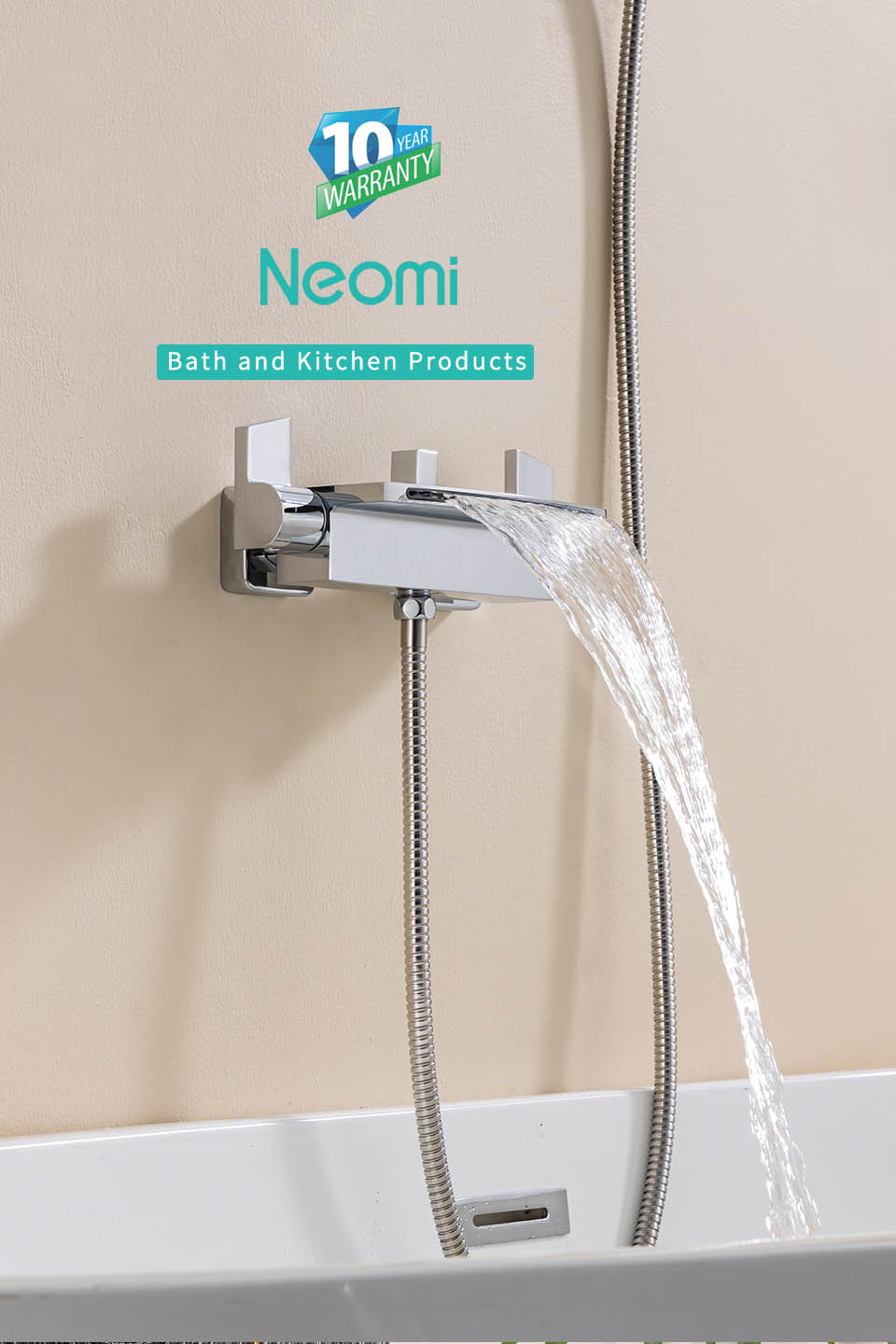
Points to note when choosing a faucet
2025-06-26 09:07:43
Click:
Points to note when choosing a faucet
Material selection
The main material of the faucet affects its durability and safety. Common materials include stainless steel, copper alloys, etc. Stainless steel is corrosion-resistant and not prone to rust, making it suitable for humid environments. Copper alloys have antibacterial properties, but it is necessary to confirm whether the surface treatment is rust-proof. Avoid choosing materials with excessive lead content to prevent affecting water health.
Valve core quality
The valve core is the core component that controls water flow and directly affects the service life. Ceramic valve cores are wear-resistant, have good sealing performance, operate smoothly and are not prone to leakage. Steel ball valve cores have strong pressure resistance, but they may wear out after long-term use. Check whether the valve core opens and closes smoothly without any jamming sensation.
Surface treatment
The surface treatment of faucets affects their appearance and stain resistance. The electroplating layer should be uniform and smooth, free of bubbles, scratches or impurities. The texture can be felt by gently touching it with fingers. Brushing, matte and other treatment methods can reduce scale residue and make cleaning easier.
Water outlet mode and function
Select the water output mode according to the demand, such as normal water flow, spray mode or adjustable water flow intensity. Some faucets have water-saving functions, which can reduce water consumption. The pull-out design makes it convenient to clean the corner of the sink and is suitable for use in the kitchen.
Size and installation compatibility
Measure the size of the openings in the sink or countertop to ensure that the faucet base matches the hole diameter. Pay attention to the height of the faucet and the position of the water outlet to avoid splashing water when in use. Before installation, confirm the type of the water inlet pipe interface (such as G1/2, G3/4, etc.) to ensure compatibility with the water pipes in your home.
Check the integrity of the accessories
When opening the box, check if all the accessories are complete, including the fixing nuts, hoses, sealing gaskets, etc. The length of the hose should be moderate to avoid being too short, which may cause installation difficulties, or too long, which may affect the appearance.
Certification and Standards
Choose products that have passed national or international certifications (such as China Water Efficiency Label, NSF certification, etc.) to ensure compliance with safety and water-saving standards. Check whether the product is accompanied by a quality guarantee certificate or after-sales service description.
Use scenario matching
The height and rotation range of the kitchen faucet should be taken into consideration to facilitate the cleaning of large kitchenware. The faucet in the bathroom needs to pay attention to its design and spatial coordination. Sensor faucets can be chosen in public places to reduce contact contamination.
Convenience of operation
The single-handle faucet can quickly adjust the water temperature and flow rate, while the double-handle style is suitable for precisely controlling the ratio of hot and cold water. Check if the handle turns smoothly to avoid being too tight or too loose.
After-sales service
Understand the brand's after-sales policies, such as the warranty period and maintenance services. Give priority to products that offer long-term warranties to reduce later maintenance costs.
By considering the above details, you can purchase a reliable and convenient faucet to enhance your daily water usage experience.
Author:
TUNG TAT BUILDING MATERIALS LIMITED
0
Related news
-

花灑式出水水龍頭選購技巧
花灑式出水水龍頭選購技巧
-
不銹鋼水龍頭選購指南
鍍鉻水龍頭選購方法
-
Selection methods for under-sink faucets
Selection methods for under-sink faucetsConfirm the matching of the installation
-
Methods for choosing bathroom faucets
Methods for choosing bathroom faucets
-
Tips for choosing faucet pipe diameters
Tips for choosing faucet pipe diameters
-
Selection of faucets suitable for 4-inch water pipes
Selection methods for faucets compatible with 4-inch pipes


