
 nemoihk@gmail.com

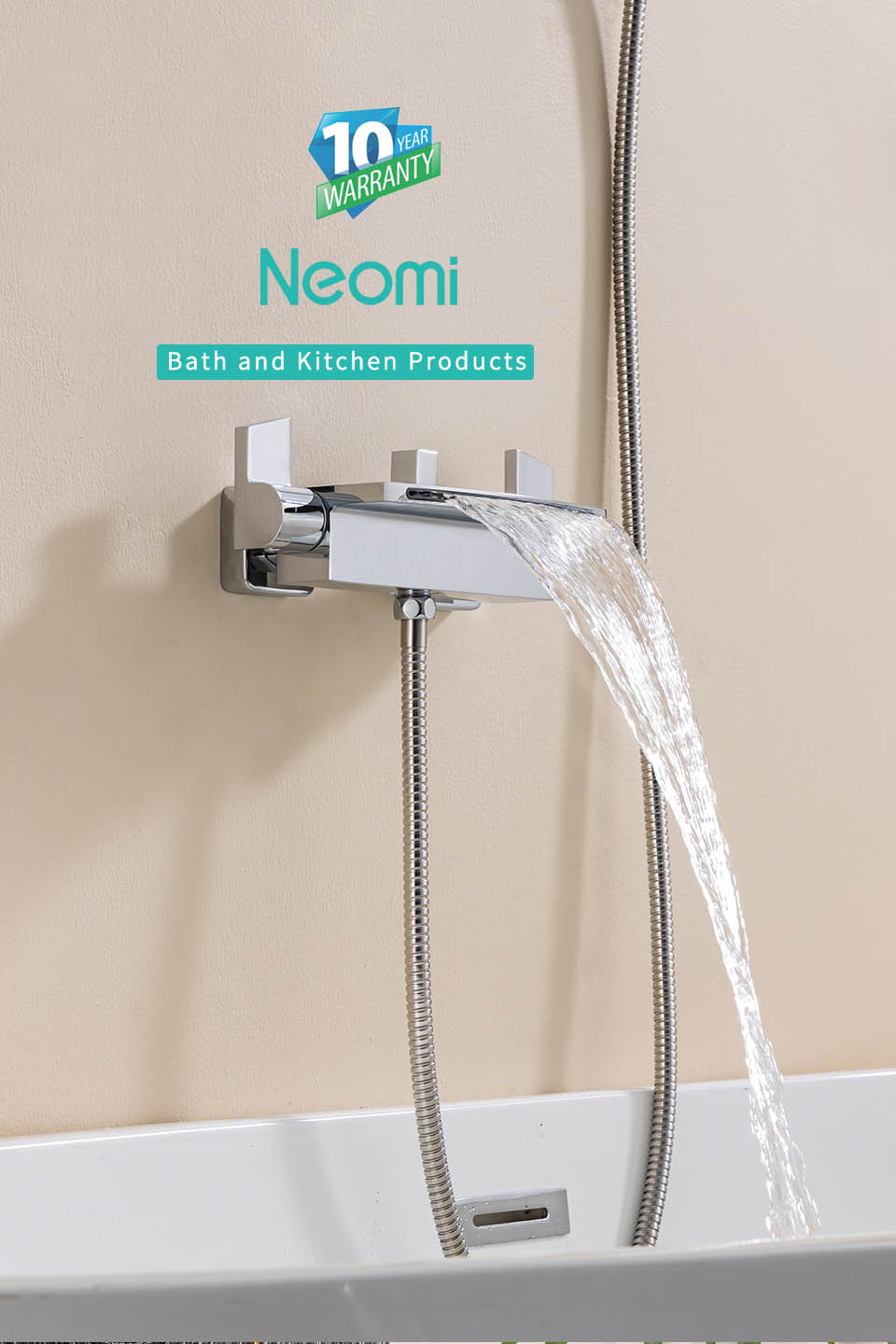
How to choose the right faucet
2025-06-19 16:47:52
Click:
How to choose the right faucet
Clarify the usage scenarios and functional requirements
First, it is necessary to determine the installation location of the faucet (such as the kitchen, bathroom, or laundry sink) and its purpose (such as single cooling, dual control of hot and cold, or pull-out type). The kitchen faucet can be chosen as either a high-throw type or a style with a pull-out head, which is convenient for cleaning large kitchenware. For the bathroom, it is necessary to consider the matching with the washbasin or bathtub to avoid collisions when opening and closing. If there are elderly people or children at home, you can choose models with anti-scald design or one-handed operation to enhance the safety of use.
Attach importance to the core component - the valve core
The valve core is a key component that controls the water flow switch and temperature, directly affecting the service life and sealing performance. Ceramic valve cores are wear-resistant, heat-resistant, operate smoothly and are less prone to leakage, making them the mainstream choice. Steel ball valve cores have a relatively low cost, but sealing problems may occur after long-term use. When purchasing, you can try turning the handle to feel if the switch is smooth without any lag, and gently listen for any abnormal sounds to judge the quality of the valve core.
Check the material and durability
The material of the faucet should have the ability to resist corrosion and rust. Stainless steel material is moisture-resistant and easy to clean, suitable for long-term use. The all-copper material has good antibacterial properties, but it is necessary to confirm whether the surface treatment is in place (such as whether the thickness of the electroplating layer meets the standard). Zinc alloy is affordable, but its durability is relatively weak. It is necessary to avoid choosing overly thin and light styles. When making a purchase, you can gently tap the faucet to listen to if the sound is deep and solid, or touch the surface to feel if the texture is fine and flawless.
Pay attention to surface treatment processes
The surface of a high-quality faucet should be smooth and uniform, free of air holes, scratches or fogging. The electroplating layer should have a certain thickness (usually over 8 microns). You can test the adhesion by gently scraping with your hand or observe whether the reflection is clear and free of impurities. For spray painting treatment, it is necessary to pay attention to whether it is easy to peel off and whether it will fade after long-term use.
Test water conservation and usage experience
The bubble generator can mix water flow with air, reduce splashing and save water. When making a purchase, you can turn on the faucet to check if the water flow is gentle and free of noise. At the same time, make sure the foaming machine is easy to disassemble and clean to avoid clogging after long-term use. In addition, you can test whether the opening and closing Angle of the handle conforms to your usage habits to avoid it being too tight or too loose.
Confirm the installation dimensions and accessories
Measure the size of the water pipe joints at home in advance (such as G1/2 or G3/4 specifications), and confirm whether the hole spacing of the faucet matches. If you need to install it by yourself, please check whether the product comes with complete accessories (such as hoses, fixed seats, and sealing gaskets). If you ask a professional to install it, you need to confirm whether the product provides a detailed manual or after-sales support.
Verify the certification and warranty services
When making a purchase, you can check whether the product has passed relevant national certifications (such as water efficiency labels and drinking water safety certifications), and learn about the warranty period (usually 1 to 5 years). High-quality brands will offer longer warranty periods and clear maintenance procedures, and may also provide installation guidance or online customer service support to reduce later maintenance costs.
Through the detailed consideration of the above steps, the applicability and quality of the faucet can be evaluated more comprehensively, avoiding the impact on daily use or potential safety hazards caused by improper selection.
Author:
TUNG TAT BUILDING MATERIALS LIMITED
0
Related news
-

花灑式出水水龍頭選購技巧
花灑式出水水龍頭選購技巧
-
不銹鋼水龍頭選購指南
鍍鉻水龍頭選購方法
-
Selection methods for under-sink faucets
Selection methods for under-sink faucetsConfirm the matching of the installation
-
Methods for choosing bathroom faucets
Methods for choosing bathroom faucets
-
Tips for choosing faucet pipe diameters
Tips for choosing faucet pipe diameters
-
Selection of faucets suitable for 4-inch water pipes
Selection methods for faucets compatible with 4-inch pipes


