
 nemoihk@gmail.com

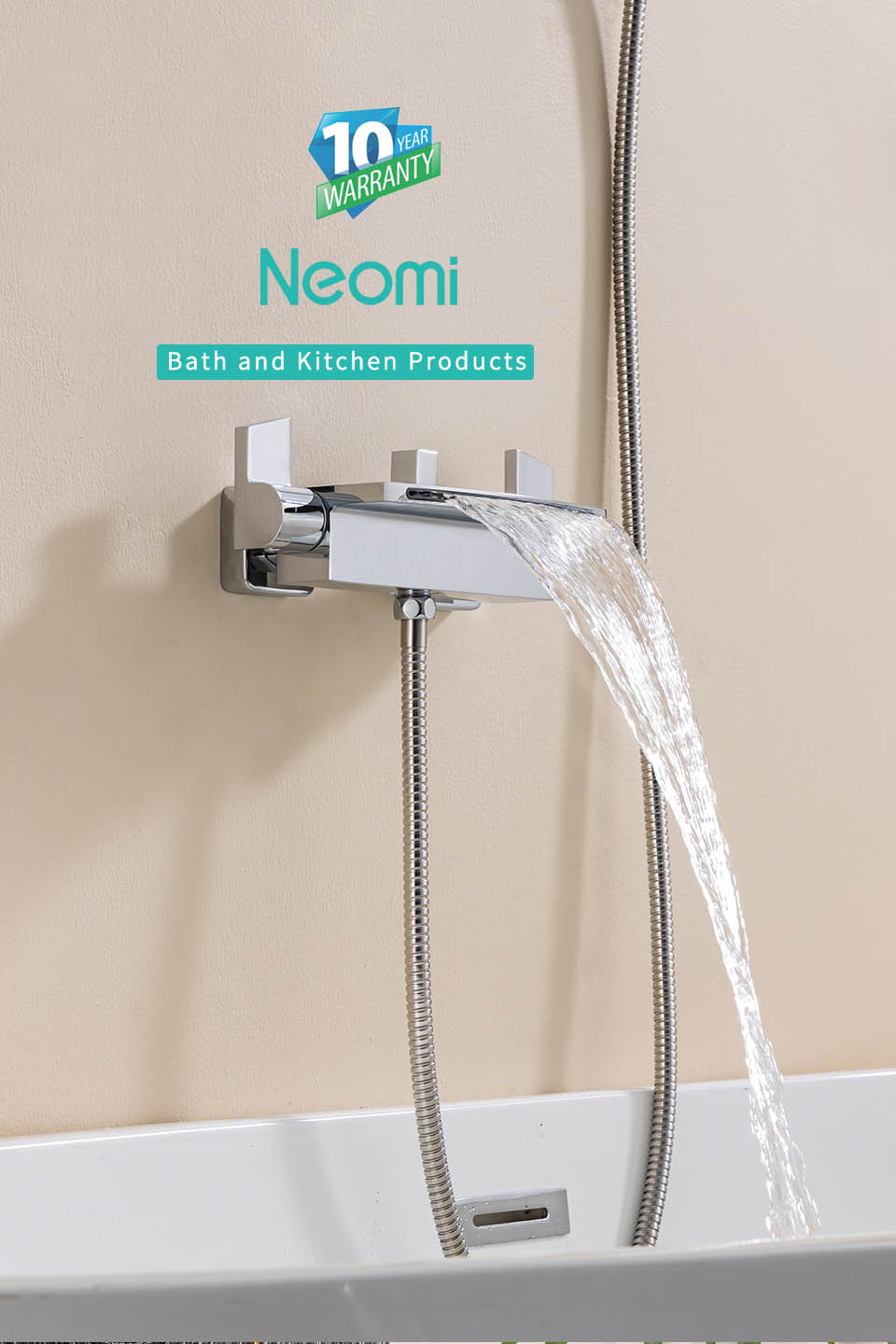
How to clean and maintain the basin faucet
2025-04-17 14:01:27
Click:
Basin faucets are generally divided into two types according to installation methods: surface mounted basin faucets and concealed basin faucets. Surface mounted basin faucets are divided into countertop basin faucets and countertop basin faucets.

Cleaning and maintaining basin faucets is an important step in maintaining their normal function and extending their lifespan.
Here are some effective cleaning and maintenance methods:
1、 Clean basin faucet
regular cleaning
Warm water cleaning: Use warm water and a soft cloth or sponge to wipe the surface of the faucet. This can remove daily dirt and water stains, avoiding the accumulation of scale.
Neutral cleaner: For stubborn stains, neutral cleaners can be used, avoiding acidic or alkaline cleaners as they may damage the surface of the faucet.
Remove scale
Vinegar water mixture: Mix white vinegar with water in a 1:1 ratio, use a cloth or sponge dipped in the mixture to wipe the faucet, especially at the nozzle and outlet. Vinegar can effectively dissolve scale.
Soak: For the scale on the faucet nozzle, remove the nozzle and soak it in a mixture of vinegar and water for about 30 minutes, then use a brush to gently remove the scale. Rinse thoroughly with clean water after cleaning.
Clean the nozzle
Disassemble the nozzle: Remove the nozzle part according to the instructions of the faucet.
Cleaning: Soak the nozzle in a mixture of vinegar and water to remove internal scale and impurities. Gently brush the nozzle hole with a small brush or toothbrush to ensure there is no blockage.
Rinse: Rinse the nozzle thoroughly with clean water, and then reinstall the faucet.
Wipe clean
Dry wipe: Use a clean soft cloth to wipe the surface of the faucet, ensuring complete dryness and avoiding water droplets from leaving on the surface and forming water spots.
2、 Maintain basin faucet
Check the seal
Regular inspection: Regularly check whether the sealing gasket and gasket of the faucet are aging or damaged. If necessary, replace the seals in a timely manner to prevent water leakage.
Tighten the connector: Check the connection between the faucet and the water pipe to ensure that the nut and connector are securely fastened to prevent water leakage caused by looseness.
Prevent the accumulation of scale
Regular cleaning: Regularly clean the faucet to prevent the accumulation of scale. Especially in hard water areas, it is recommended to increase the frequency of cleaning.
Use soft water: If conditions permit, consider installing a water softener to reduce minerals in the water, thereby reducing the formation of scale.
Protect the surface
Avoid using abrasive cleaners: Avoid using cleaning tools such as steel wire balls and abrasive cleaners that can damage the surface of the faucet.
Keep it dry: Try to keep the surface of the faucet dry as much as possible, avoid long-term retention of water droplets, and reduce the formation of water spots and stains.
Check function
Regular inspection: Regularly check whether the switch and nozzle function of the faucet are normal, ensure smooth water flow, and operate without abnormalities.
Fix problem: If poor water flow or leakage is found, the damaged parts should be repaired or replaced in a timely manner to prevent the problem from worsening further.
Prevent rusting
Drying treatment: Keep the faucet dry, avoid prolonged exposure to moisture, and reduce the possibility of rusting.
Apply protective agent: On some metal faucets, a suitable protective agent can be applied to prevent rust and corrosion.
Author:
TUNG TAT BUILDING MATERIALS LIMITED
0
Related news
-

花灑式出水水龍頭選購技巧
花灑式出水水龍頭選購技巧
-
不銹鋼水龍頭選購指南
鍍鉻水龍頭選購方法
-
Selection methods for under-sink faucets
Selection methods for under-sink faucetsConfirm the matching of the installation
-
Methods for choosing bathroom faucets
Methods for choosing bathroom faucets
-
Tips for choosing faucet pipe diameters
Tips for choosing faucet pipe diameters
-
Selection of faucets suitable for 4-inch water pipes
Selection methods for faucets compatible with 4-inch pipes


